


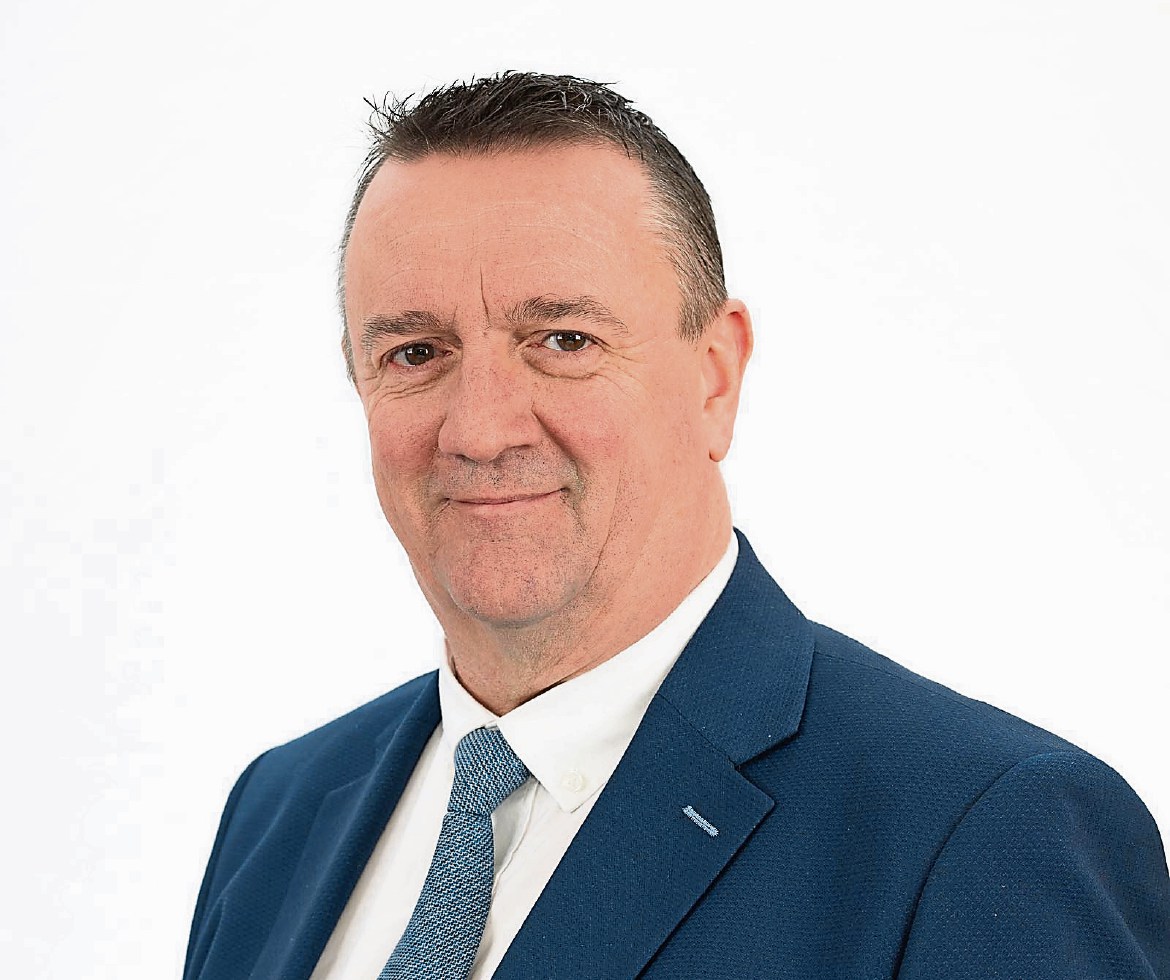


By Sean Sweeney
Planning for retirement is not simply about building a pension fund, it also means deciding how that money will provide an income once working life ends.
One option many people encounter is an Approved Retirement Fund, commonly known as an ARF.
An ARF allows you to retain ownership of part of your pension savings after retirement. Rather than using the money to purchase an Annuity to provide a guaranteed income, the remaining pension fund is invested and withdrawals can be made over time.
Depending on the pension arrangement, retirees may first be entitled to take a retirement lump sum, usually up to 25 per cent of the total pension fund.
Revenue currently provides a lifetime tax-free limit of €200,000 across retirement lump sums from all sources. Different tax rules apply to amounts above that limit. The balance may then be transferred to an ARF, used to buy an Annuity or, where permitted, taken as taxable cash.
Money held in an ARF can be invested in assets such as shares, bonds and cash. The investment mix will generally reflect the individual’s circumstances, attitude to risk and expected income needs.
As the fund remains invested, it has the potential to grow during retirement. However, its value can also fall and there is no guarantee that it will provide an income for life.
Withdrawals are treated as income and may be liable to Income Tax and Universal Social Charge, as well as PRSI in some circumstances.
ARFs are also subject to Revenue’s imputed distribution rules. These require a minimum proportion of the fund to be treated as withdrawn each year for tax purposes. The applicable rate is generally 4 per cent for people aged 61 to 70 and 5 per cent from age 71.
For example, a 65-year-old with an ARF worth €400,000 could have €16,000 treated as income and taxed as such under the 4 per cent rule, even if less was withdrawn. A 6 per cent rate may apply where the combined value of an individual’s ARFs and vested pension products exceeds €2 million.
An ARF may appeal to those who value flexibility, investment potential and the possibility of leaving any remaining fund to beneficiaries. It also brings responsibility. Withdrawals that are too high, weak investment returns or an unsuitable level of risk could reduce the fund earlier than expected.
It is possible to hold several ARFs, particularly after accumulating pensions with different employers. Consolidation may simplify administration, although it will not always be the most suitable choice.
Retirement decisions can have lasting tax, investment and inheritance consequences. Before choosing an ARF, an Annuity or another option, it is important to seek advice from a regulated financial adviser.
Sean Sweeney, QFA RPA is a Qualified Financial Advisor and Retirement Planning Advisor. You can contact him through Fairstone Letterkenny (formerly John F. Loughrey Financial Services) by telephone on 074-9124002 or by email on [email protected]