


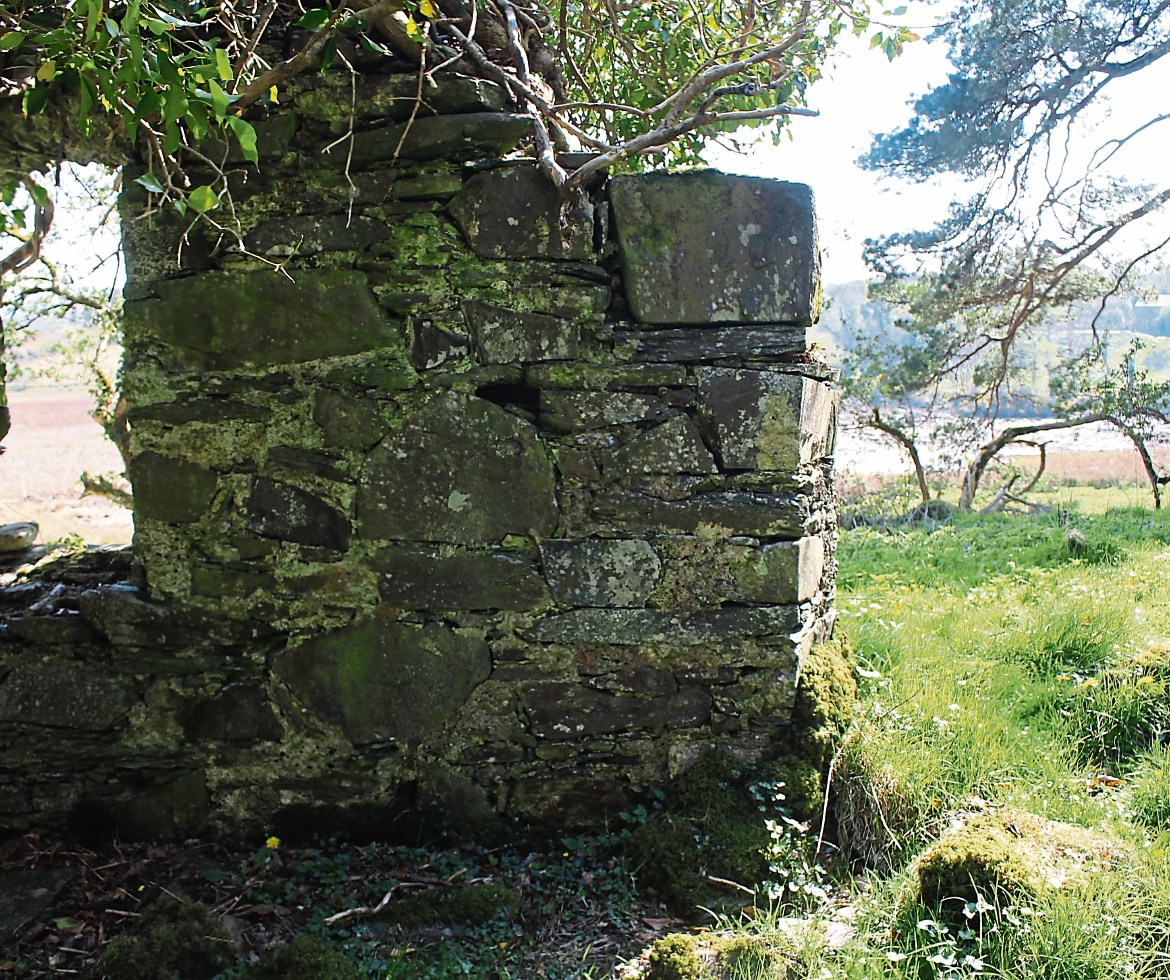


THE public are being invited to a special information evening this evening to help uncover the lost history of Clonbeg Church and graveyard in Creeslough.
The purpose of the event, which takes place from 7pm to 9pm in Massinass Hall, is to give an update on the work to conserve the historic church and graveyard in nearby Cluain.
It will also give those with any relevant history of the site an opportunity to assist in gathering more information about the historic church and graveyard.
If you can help with details or history of the location, those laid to rest there or any details of who may have lived, worked or worshiped at Clonbeg, it would be greatly appreciated.
Members of the Clonbeg Heritage Group along with senior archaeologist Kate Robb of John Cronin & Associates will be in attendance on the evening.
They are trying to piece together a fuller historical picture of this fascinating site to preserve it for future generations.
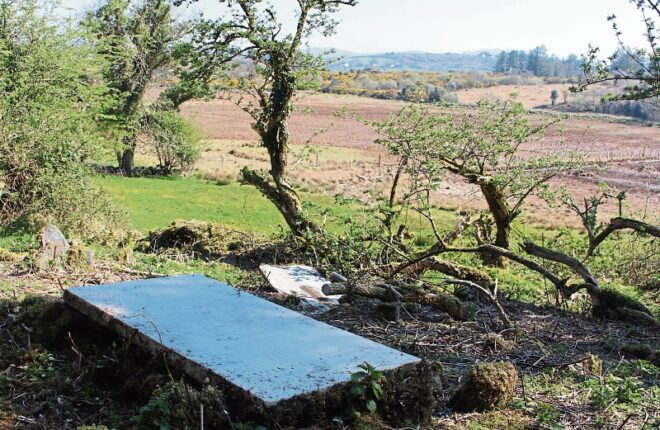
Conservation work has already been undertaken at Clonbeg church and graveyard.
One legend has it that the Pagan Prince of Doe, Rudian, had resorted to bloody tactics following the area being concentrated as a Christain burial ground and the destruction of the Druids altar by St. McGeady.
Rudian was determined to stop any Christian encroachment at the site and soon faced a group of mourners looking to use the graveyard. As they approached with a corpse he lashed out at the body with his sword.
The following years he encountered nothing but bad luck and as guilt set in he sought the wise counsel of St Fionian of Rye who imposed the penance on him to build three churches, one at Kildarragh, one at Derryherriff, and one at Clonbeg, the scene of his outrageous act.
Once he completed building all three churches he sought a sign of redemption from the heavens and as he lay in repose at Clonbeg, and after enjoying his first sound sleep in years, a robin landed in his hand which St Fionan and himself took as absolution.
The site is known to be pre-Columban and was used for hundreds of years as a place of worship and burial ground. A memorial dated 1679 recorded at the site would indicate that the church was in use at that period.
Clonbeg Glebe church was probably a ‘chapel of ease’ to Clondahorky and probably abandoned soon after the present church was built at Ballymore in 1752.
This tranquil area along the shores of Sheephaven Bay also played host to a thriving community at one point with as many as ten houses immediately in the vicinity of the church grounds, but later census records show they were all removed.
All are welcome to tonight’s meeting.