




Channel Hopper TV column by Paul Bradley
The Old Man
RTÉ2, Monday, 9.35pm
The Idaho Murders: College Nightmare
Netflix
Bettany Hughes’ Lost Worlds: Dawn Of Civilisation
Channel 4, Saturday, 8pm
In Time: Donal Lunny
RTÉ1, Monday, 9.30pm
Alley Cats
Netflix
I was slow in catching The Old Man on RTÉ2: it looked like just another generic US network thriller, buried away in the RTÉ2 dead zone.
And it is a familiar setup: a retired CIA operative dragged back into danger as forces from his past finally find him (imagine Jason Bourne as an OAP, with a bladder that won’t let him sleep all night, and a sense of danger that keeps him alert to everything going on around him).
The execution of even the first scene, though, sets it above the lifelessly efficient TV series we normally see: it’s clever, soulful and amusing without a word being said.
And so you think, after all, there must have been something here to tempt the great Jeff Bridges to take the lead role in a TV series. He is typically magnetic as Dan Chase, the weary agent who lives quietly with his two dogs, and who is suspicious of that new stranger in a local coffee shop.
As his instincts kick in and his life is upturned again, there is enough mystery around Chase to keep us interested, and even a messy, desperate note in the fight scenes that feels exactly right for a skilled agent his age.
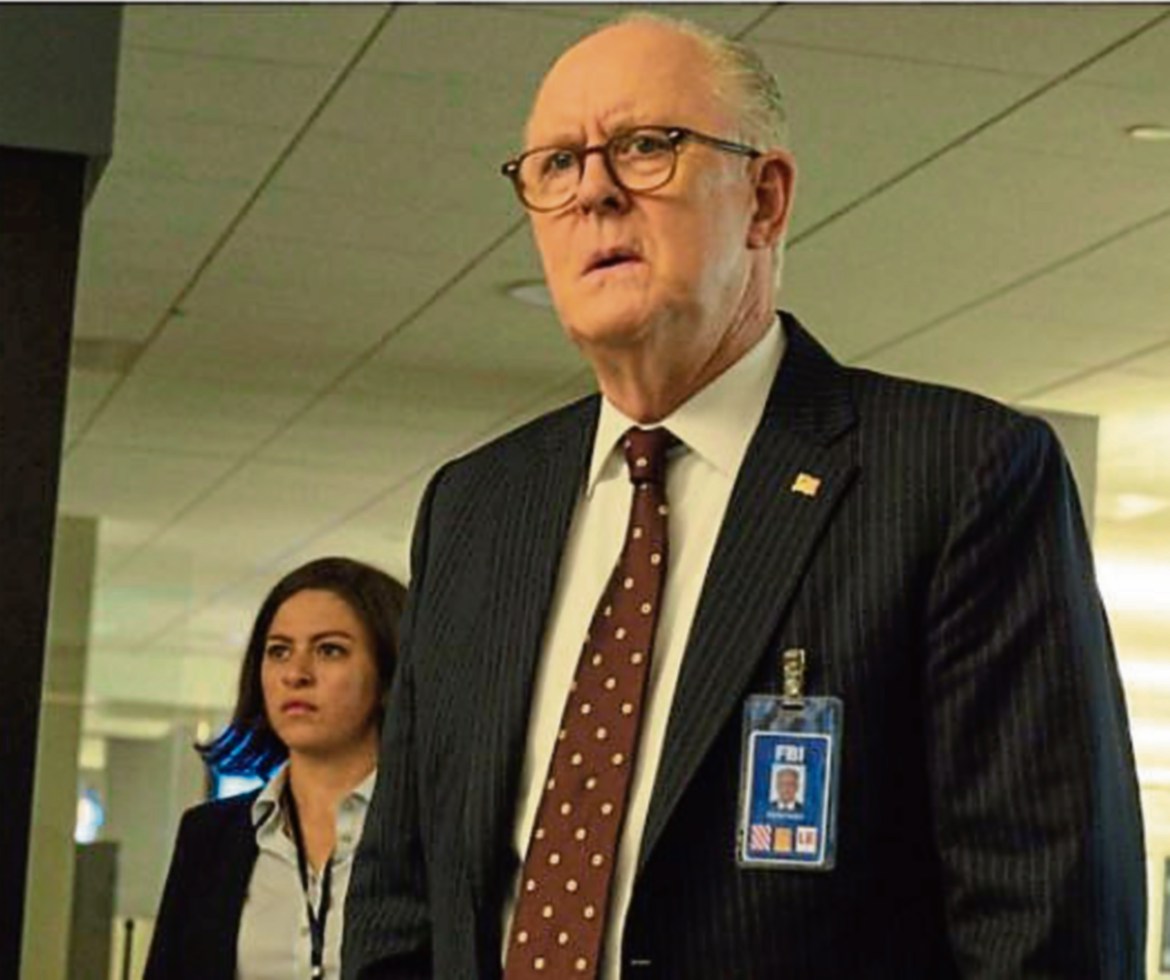
Opposite him, we have John Lithgow bringing a more strait-laced gravity to FBI Assistant Director Harold Harper, who has a long history with Chase. His surprise phone conversation with Chase not only sets up a major subplot, but introduces depth and ambiguity to his character.
Yes, it’s still the usual hour-a-week portion, and there are no doubt limits on what they can do; but there are only two short seasons (both available on the RTÉ Player), and so far it has enough character and story to keep you watching – perhaps, if you’re suspicious like me, to your own surprise.
The Idaho Murders
Netflix’s true crime documentary The Idaho Murders: College Nightmare arrives after several others on the same subject (like Amazon’s One Night In Idaho). That seems unusually slow for Netflix, since it was such a shocking story, and, as the parlance of our times has it, it was right in Netflix’s wheelhouse.
But that lateness works in its favour, allowing time for the legal process to catch up, so the filmmakers weren’t racing after breaking news or viral chatter. Instead, they’ve had time to secure deeper access to family, friends, and investigators, producing what feels like a fairly thorough account.
The three-episode documentary revisits the November 2022 killings of University of Idaho students Madison Mogen, Kaylee Goncalves, Ethan Chapin, and Xana Kernodle, mystifyingly stabbed to death in their off-campus house in the early morning hours. Two shocked roommates survived.
What followed, as shown here, was a somewhat sluggish investigation, the usual poisonous online speculation, and a media frenzy that threatened to overshadow the tragedy itself.
The series leans on Netflix’s familiar true-crime toolkit: talking-head interviews, archival footage, reconstructed timelines.
Nothing about the format is new, but the emotional interviews with family and friends of the victims help set it apart. Rather than chase intrigue, it’s more of a study of what has been lost, and what the impact has been on the people affected (who speak plainly here about the victims and their mostly carefree lives).
It doesn’t quite answer every question you have (but then, the families and police are still waiting for some answers too) and it holds no real surprises or twists. But it treats its subject with gravity, presenting the victims and the people who loved them as real human beings rather than cyphers in another crime story.
Bettany Hughes’ Lost Worlds
Bettany Hughes’ gift has always been to make history feel more alive than other more academic (or lurid) documentaries, and her new two-part series might be her most enjoyably ambitious yet.
Where her previous Lost Worlds series about the Nabataeans was excellent, it was relatively niche territory; this new one, Dawn Of Civilisations offers the whole of modern Türkiye as her canvas, meaning she can not only delve into sites more familiar to us, like Ephesus, but ask some of the biggest questions, like where civilisation really began.
The results are often spectacular, right from a fantastically chilly opening in the Turkish hills in winter. Hughes wanders through ancient sites, but manages to find new old things even in places like Ephesus: the houses of the wealthy, and an authentic reconstruction of some of the music that played there 2,000 years ago.
She makes it feel more a living place full of ideas rather than a picturesque set for famous names…and it’s fun just hearing her have to say “Ephesus’s”.
Her journey inland, to Cappadocia and Kars, is even more striking: she explores the landscape of “fairy chimneys” and finds a hermit’s painting in a place that’s been inaccessible for centuries, and travels by horse and cart across a frozen lake in a scene that looks a bit like the whitest, most horizonless scenes from Dr Zhivago.
She clearly loves digging out new angles on old things, and it’s a lovely hour on a Saturday night.
In Time: Donal Lunny
For his musical career alone, Dónal Lunny deserves a film; that it’s taken so long for In Time to appear only serves to put his work in longer context, and adds a distinct note of sadness to the story – something director Nuala O’Connor is fully aware of. Her film, which opens gently with him listening to birdsong, is loosely chronological, although sometimes detouring into musical themes like rhythm and his adoption of the bouzouki; and, while it sets his career against the changes in wider Irish society, it’s the music itself that is most memorable, often accompanied by Lunny’s own thoughts about it. The final act shifts from music to life, addressing the death of Lunny’s son and his own illness, culminating in a reunion with Christy Moore that long-time fans will surely enjoy.Overall it might be too weighted towards early material, but for new or casual listeners it’s a moving introduction, often beautifully shot and edited (there are some very nice shots of the area around Dunlewey) – and the subject is certainly deserving.
Alley Cats
Less deserving is Ricky Gervais’s latest Netflix series, the animated Alley Cats. It’s not without some sniggers early on at least, as the motley group of neighbourhood cats (led by Gervais himself as Gus) sometimes get into amusingly random debates that fit perfectly between Creature Comforts and a fourth-pint what-if conversation.
But it’s somewhat aimless and sentimental, and stops too often for the crass preachiness (or preachy crassness) that is becoming more and more of a drag on Gervais’s work.
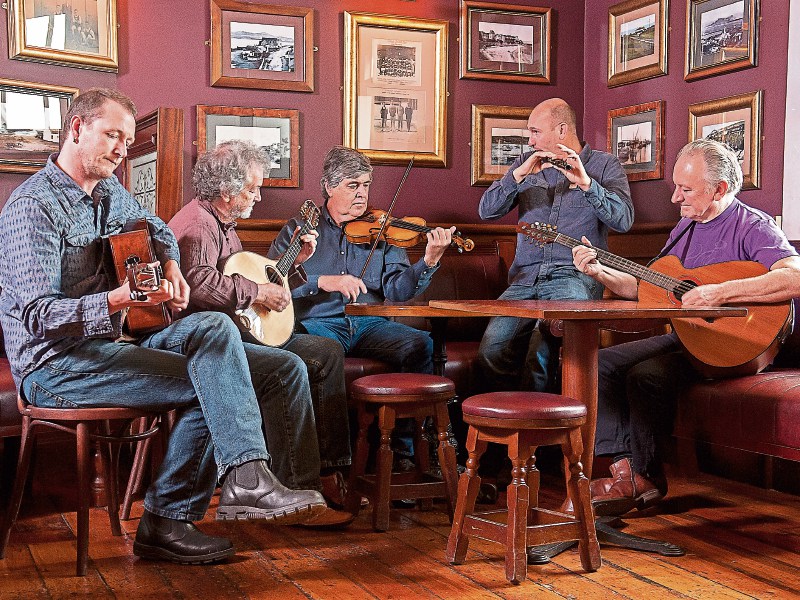
Andy Irvine, Donal Lunny, Paddy Glackin, Mike McGoldrick and John Doyle from Usher’s Island. Lunny is featured in a special, long overdue documentary on RTÉ.