




BUSINESSES like food businesses and hairdressers have been boosted by the reintroduction of a nine per cent VAT rate – and those on the border could benefit most, it is claimed.
The new VAT rate came into effect on Wednesday past, replacing the previous rate of 13.5 per cent, which was a pledge in the Programme for Government commitment.
It applies to food and catering services and to hairdressing. The measure will not apply to hotel accommodation but will apply to the food and catering provided by hotels.
Border businesses in the North like Lifford’s neighbour Strabane and Bridgend’s neighbour Derry have a 20 per cent VAT rate.
Michael Cadden, who is chairperson of Hospitality Ulster that represents hospitality firms in places like Strabane and Derry, fears the trading disparity.
He warned that businesses in Donegal now have an advangtage because their competitors’ “cost base is upwards of 10 per-cent greater”.
Mr Cadden added that rising labour costs and taxation pressures are compounding the challenge.
Government Minister Charlie McConalogue, who is from Iinishowen, said:“The objective of the measure is to support businesses in the service sector which are facing increased cost pressures and this measure is expected to support thousands of jobs in these sectors across Donegal.”
Meanwhile, a Donegal-based hospitality expert, who has over 20 years of experience in hotel marketing, has claimed operating costs remain difficult for businesses in the county.
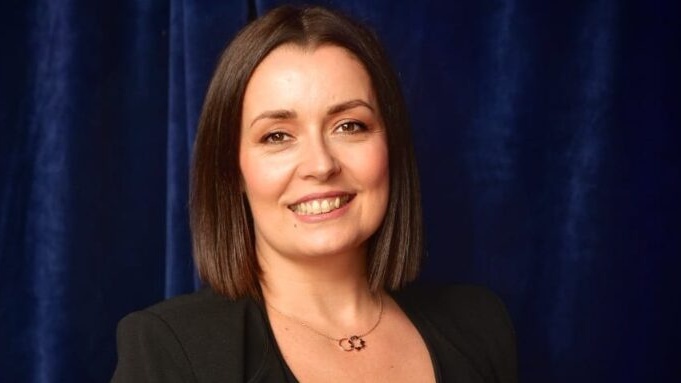
Jolene McDermott of the Marketing for Tourism consultancy that helps small and medium hotels stated that the VAT reduction is “already being criticised” and stressed that the rate drop is not a “blanket reduction across [hotels’] entire business”.
She said: “It is being criticised because it may not result in immediate price reductions for consumers.
“That criticism fundamentally misunderstands why this measure was introduced.
“The VAT reduction was not announced as a discount scheme for diners. It was introduced to support hospitality businesses, help them retain jobs and provide some relief from the exceptional increases in the cost of operating.
“For many small hospitality businesses, the choice will not be between reducing prices and increasing profits.
“It will be between using this relief to meet rising wage, food, energy, insurance and supplier costs, or continuing to operate at a level that is becoming increasingly difficult to sustain.”
Qualifying restaurants and catering services have moved from the 13.5 per cent VAT rate to nine per cent, which includes meals served in hotels, guesthouses and bed and breakfasts.
But bedroom accommodation remains at 13.5 per cent VAT – while alcohol, bottled water, and soft drinks are still at the higher 23 per cent rate.