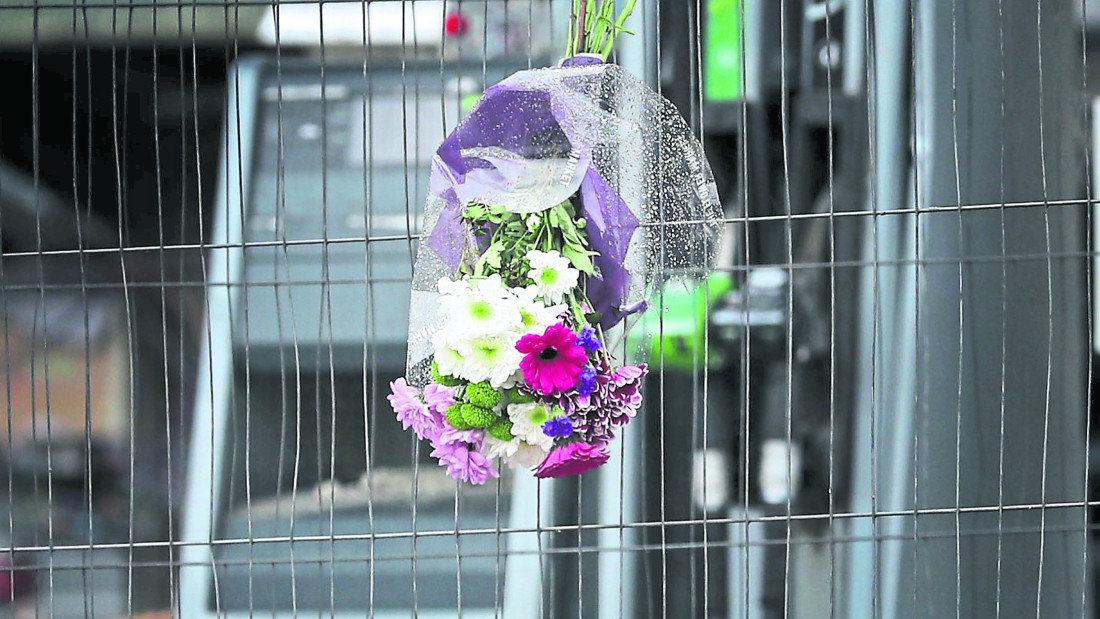


On October 7, 2022, ten people lost their lives when an explosion destroyed the service station and apartment building in Creeslough. It was one of the darkest days Donegal has known in recent memory.
Since then, bereaved families have lived with not only overwhelming loss, but the long and exhausting wait for answers as a major Garda investigation continued, with a file submitted to the Director of Public Prosecutions last September, while the wider investigation remains ongoing.
What makes the events in Creeslough so painful, three years on, is not simply the length of time that has passed since the explosion, but the fear that time may pass without the families ever getting the full answers they need.
Waiting is one thing when people believe the truth will come. It becomes far harder when confidence in the path to all the facts begins to fray.
That is why the families’ call for a public inquiry is so understandable. Their concern is not simply about whether there may ultimately be criminal prosecutions. It’s that a criminal process, by its nature, may not answer every question they are left with.
They want to know, as fully as possible, what happened, why it happened and whether it might have been prevented.
The Government’s position has been that a public inquiry should not begin while the criminal investigation remains live. At the same time, it has been stated in public discussion around the case that both processes can run concurrently.
It wouldn’t be the first time for this to happen. For example, the Oireachtas Banking Inquiry, established in 2014, ran alongside criminal investigations and proceedings involving certain banks and witnesses.
For the families of Creeslough, at the very least, there should be some forum capable of establishing the broader truth they are seeking. Instead, they have been left to carry that burden in public.
It was evident in the deeply painful dispute over the future of the explosion site, too when families who had already suffered the worst kind of loss found themselves having to publicly object to proposals for redevelopment, arguing that the plans were insensitive and retraumatising.
In June last year, An Coimisiún Pleanála overturned the earlier grant of permission. But the point is not only the planning outcome. It’s that families who should have been afforded the opportunity to grieve with dignity found themselves drawn into another public battle around the very ground where their loved ones died.
That wider experience matters when considering recent remarks made by Minister for Justice Jim O’Callaghan. When he was asked if his refusal to meet the families was insensitive, he replied that it was not his job to be sensitive, but to ensure that justice is delivered.
There is no doubt that a Minister for Justice has a duty to protect the legal process and the proper administration of justice. But sensitivity is not somehow separate from justice, as though one weakens the other.
In cases like Creeslough, surely sensitivity is part of justice. Without sensitivity to people’s lived experience, to the trauma they have endured, and to the reality of what they are still being asked to carry, it becomes much harder to persuade people that justice is truly being served.
The remark caused so much hurt, and understandably so. It suggested a false choice between compassion and due process, when public representatives should be capable of showing both.
Families in Creeslough were not asking for sentiment in place of substance. They were asking to be heard, and for recognition by those tasked with taking important decisions that what they continue to live through, is extraordinary and unfair.
There is an understanding that investigations take time and that those legal processes must be handled carefully. But when ten lives are lost in a tragedy of this scale, families deserve more than procedural patience. They deserve clarity and humanity.
Three years on, the central point is clear: the Creeslough families deserve answers. They deserve a forum, in whatever form is possible and proper, that helps establish what happened and why.
And they deserve to pursue those answers without being made feel that sensitivity is somehow beside the point. In a case marked by such devastating loss, sensitivity is not an optional extra. It’s part of what justice should look like.