


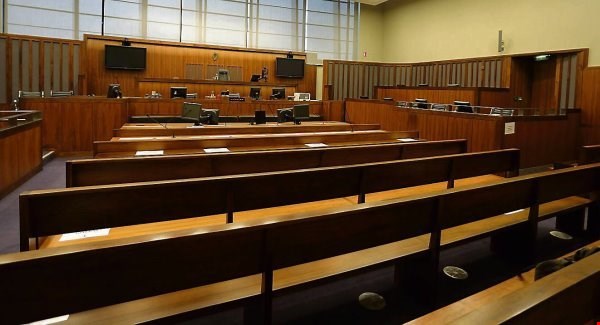


Many people have little idea what happens in family law courts. They may be aware they deal with domestic abuse, family breakdown and the safety of adults and children, but the scale of what comes before them each day, and the reality of how people experience the process, remains largely cloaked in silence.
One of the few ways in which that otherwise hidden reality becomes visible is through reporting from Dolphin House, the Dublin District Family Court where emergency domestic violence applications are heard.
If you read the Friday edition of The Irish Times or listen to RTÉ Radio 1, you may be familiar with it. The cases make for difficult listening and reading, involving fear, control and intimidation, often with children caught in the middle.
Over the course of two recent weeks, reports from Dolphin House described a woman seeking protection from a former partner who would not leave her or their children alone; a father who told a judge that a protection order would mean “some peace for the kids for Christmas”; a mother granted protection against her adult daughter amid a serious relapse into drugs and alcohol; and another mother who secured a barring order against her son, saying she was exhausted and afraid in her own home.

For people in Donegal, and in places far from Dublin, hearing these reports can make it feel as though the problems lie elsewhere, that they’re serious, but removed. Yet in family law hearings in Donegal Town, Letterkenny and other parts of the county, the same patterns appear: applications arising from fear of further harm, accounts of intimidation and control within relationships, allegations of threats or assaults, and the involvement of children whose safety or wellbeing is a central concern.
The difference is not the nature of the cases, but the fact that almost none of those heard in Donegal are reported on. Family law proceedings in Ireland are held ‘in camera’, or in private, for good reason. They involve children, traumatic experiences and deeply personal relationships, and in the digital age protecting privacy is paramount.
But strict privacy combined with limited reporting also means the system operates with little public scrutiny. When so little of the system is visible, public debate and indeed some policy decisions are often shaped by snapshots of a system rather than by a full understanding of how it actually operates.
Such lack of visibility matters, particularly at this time of year. An Garda Síochána and support services consistently identify Christmas as a period of heightened risk in households where there is violence or coercive control.
Periods of enforced togetherness and financial pressure can intensify already difficult situations, with calls for help often rising in the weeks that follow.
The scale of that need is becoming harder to ignore. Women’s Aid recorded more than 46,000 disclosures of domestic abuse in 2024, the highest number in its history, alongside over 32,000 contacts with its services.
Significantly, one in three women who reached out said the abuse was coming from a former partner, a reminder that leaving a relationship doesn’t necessarily bring safety.
Here in Donegal, data also points to a steady rise in domestic abuse-related call-outs and in the number of people seeking support. Increased reporting may reflect greater awareness and confidence in services, but it also signals sustained demand.
What it does not translate to is greater public understanding of what family courts are dealing with on a regular basis. Although limited reporting under strict conditions has been legally permitted for more than a decade, in practice it remains rare. Research commissioned by the Department of Justice has acknowledged how little the public understands about how the family justice system operates and has warned that this lack of visibility can undermine trust and confidence.
A move towards greater transparency, implemented carefully and responsibly, would not undermine the protections the ‘in camera’ rule was designed to provide. It would, however, bring greater accountability to how the system operates and offer a clearer picture of what family law courts are dealing with every week.
If people were able to hear more about what comes before these courts, the shock wouldn’t be in the detail, but in how commonplace
these cases have become and in how much power the system holds over people’s lives.
The Fresh Take column, written by Sabrina Sweeney, features every Thursday in the Donegal News.