





There are some letters you open at the kitchen counter, and others you leave half-hidden under takeaway menus and notes, as if ignoring them might buy you time.
For women, cervical screening reminders often end up in that second pile, not because women don’t grasp their importance, but because it’s the kind of appointment a busy life can always find a reason to postpone.
Women will book the dentist, the mechanic, a haircut, and complain but still go. A smear test is different: it’s intimate, it can be uncomfortable, and for many it carries a kind of dread that’s hard to explain unless you’ve experienced it. And that’s exactly how a few months’ delay can quietly become years.
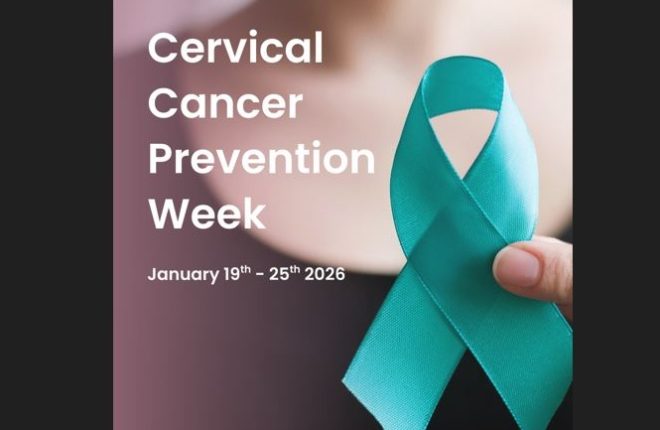
This week is Cervical Cancer Prevention Week, and the timing feels apt given the honesty of Derry actor and comedian Diona Doherty, who recently spoke about leaving a smear test for 12 years due to work and life getting in the way. When she finally attended, she was told she had stage three pre-cancerous cell changes.
As a mother of two, she spoke about the guilt that followed and the stark reality that any longer could have meant a very different outcome.
Thankfully, the abnormal cells were treated and she received the all-clear. But her story resonates because the delay, if not the diagnosis, is painfully recognisable.
In Ireland, it’s impossible to talk about cervical screening without acknowledging Vicky Phelan and the legacy she left behind when she died at just 48. She forced the country to confront hard truths about women’s healthcare, transparency and accountability.
Even so, the picture remains worrying. In Donegal, the HSE’s most recent CervicalCheck report puts five-year screening coverage at 71.8 per cent. Just across the border, in Derry City and Strabane, cervical screening is among the poorest-attended appointments, with one in three women missing tests.
The measures to establish figures might differ north and south but the picture is similar: a significant minority of women are still not being reached. Even small increases in uptake matter because screening works, often in ways we never see.
Research from Trinity College Dublin published last month estimated that Ireland’s screening programme has prevented more than 5,500 cervical cancers that would otherwise have occurred. Ireland’s uptake, at around 73–78 per cent, is relatively high by European standards, yet still short of the 80 per cent target.
More concerning is the fact that nearly half of cervical cancers are diagnosed in women who have never been screened.
Screening is not a guarantee, but it’s one of the clearest examples of prevention in action: finding changes early, when treatment is usually simpler and outcomes much better.
So why do women still avoid it? It’s mostly down to barriers that are both real and wide-ranging. For some, it’s the physical discomfort they experience. For others, particularly women with a history of trauma, an intimate examination can be deeply distressing.
There are also women who’ve had bad experiences in the past and the reluctance to go back remains.
There are practical barriers too: time off work, childcare, travel, or simply trying to squeeze one more appointment into an already overloaded life. Add embarrassment, fear of results and the belief some women hold that it doesn’t apply to them, and it’s easy to see how reminders get buried.
Improving uptake means addressing those realities, not dismissing them. Normalising conversation helps, not through scare tactics, but through ordinary, honest discussion that reduces stigma.
Meanwhile trauma-informed care should be standard, with sensitivity and choice where possible. Flexible clinics, including evenings and weekends, would help many women, as would improving access in rural areas.
Self-sampling, now being explored in Ireland, may also provide an option for women who avoid traditional screening.
When you think of what Vicky Phelan lived through and how her courage forced change, it’s a measure of how far we’ve come that screening can now be the difference between prevention and cure.
The message is clear. If you’re due, book it. If you’ve let it slide, don’t let shame keep you stuck.
And if screening feels daunting because of trauma or anxiety, talk to your GP about supports and alternatives.
The smear test may be the appointment women dislike most. But cervical cancer is far worse.
The Fresh Take column, written by Sabrina Sweeney, appears every Thursday in the Donegal News.