




By Ava Maguire
AS Ireland marked the anniversary of the 1916 Easter Rising, the role played by Donegal connections was remembered.
The Rising began on Easter Monday, April 24, 1916, when Patrick Pearse read the Proclamation of the Irish Republic outside the GPO in Dublin.
For five days, rebel forces held positions across the city before being overwhelmed by crown forces. Most of the leaders, including the seven signatories of the Proclamation, were subsequently executed.
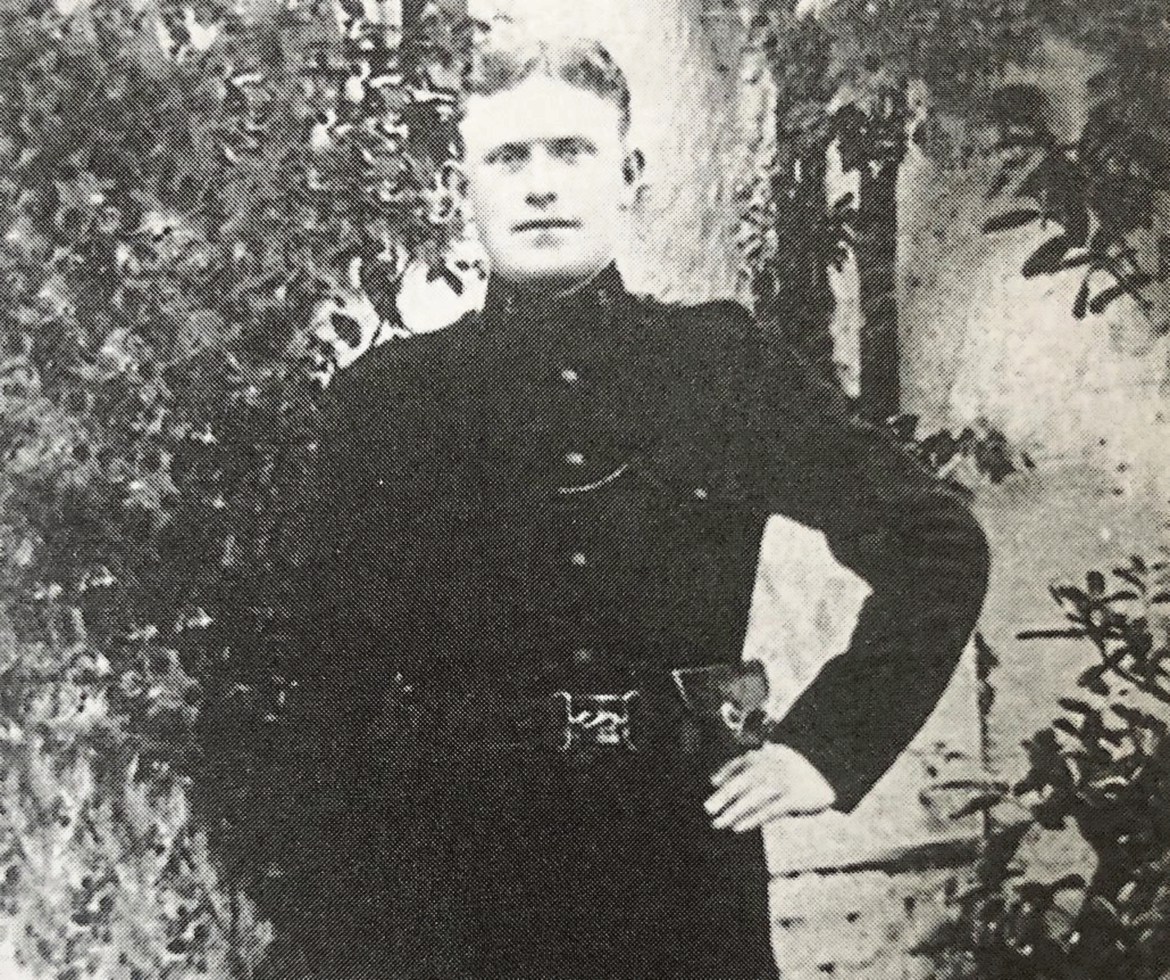
Among those stationed at the GPO was Burtonport native Joseph Sweeney. Just 19 years old and a UCD student at the time, Sweeney had been a pupil of Pearse’s at St Enda’s school.
He served the full week at the GPO, primarily as a sniper, and later became one of James Connolly’s stretcher bearers following the surrender. He went on to become the youngest TD of the First Dáil in 1919 and later served as Chief of Staff of the Irish Army.
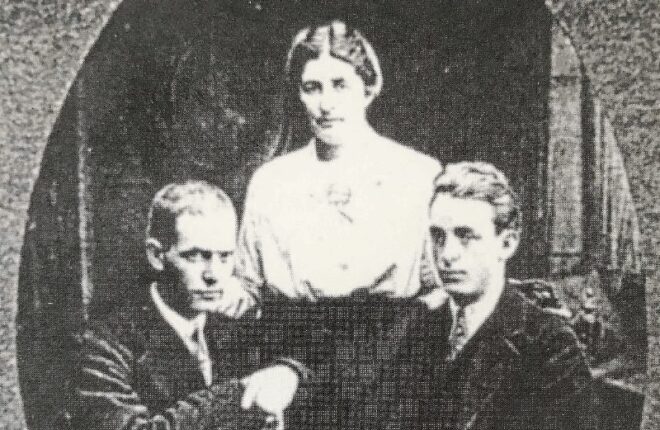
Conor and Eunan McGinley and their mother Elizabeth. Photo courtesy of Donegal Museum.
Also stationed at the GPO were Conor and Eunan McGinley, cousins of Dr JP McGinley of Letterkenny. Both were St Enda’s students. Conor, 19, and Eunan, just 16, were arrested following the surrender.
Eunan, imprisoned in Stafford, refused to reveal his age to authorities — a disclosure that would have secured his immediate release — believing his fellow St Enda’s comrades would be shot and wishing to share their fate.
Outside Dublin, Donncha MacNiallghuis, originally from Malinbeg in Gleann Cholm Cille and an Irish Volunteer since 1913, was positioned at Macroom. He awaited the arms shipment aboard the Aud. When the vessel was captured, his battalion was stood down without seeing action.
Tragically, Inishbofin Island man Charles McGee, a Royal Irish Constabulary constable, became one of the first fatalities of the Rising when he was shot by a volunteer during a confrontation in Dundalk.
Killygordon man Daniel Kelly had been involved with the Irish Republican Brotherhood since his teens. Having worked on the railways in Glasgow, he returned to Donegal in 1912, taking up a post at Dungloe Road Railway Station before moving to Cashelnagore near Gortahork.
He organised Irish Volunteers across both Cloughaneely and Creeslough. When morale among the remaining volunteers dipped — the majority having followed John Redmond’s National Volunteers — Kelly took decisive action, inviting Pearse himself to Donegal to reinvigorate the movement.
Their stories form a poignant chapter in Donegal’s revolutionary history.