


BRAVE domestic violence victims have spoken out to expose the brutality that their abusers are guilty of in a courageous bid to protect other women.
For the first time, they have detailed in exclusive extracts for the Donegal News their very own heartbreaking accounts of personal survival.
The women have revealed how the male spouses, partners, and boyfriends who they trusted to love and protect them actually battered and broke them.
It follows two weeks of coverage in this newspaper about the true extent of domestic violence in counties like Donegal.
Jessica Gallagher, who is clinical director at The Uplift Project that helps abuse victims, said: “Many survivors report that it can take a significant amount of time before they feel ready to leave an abusive relationship, make a statement to An Garda Síochána, or engage with court proceedings.
“Unfortunately, services are not always equipped. This can lead to women returning to dangerous situations.”
She added: “Some survivors wish to come forward and share their experiences publicly because many women tell us they simply want the opportunity to finally be heard and seen.
“Survivors are so frequently spoken about rather than listened to and many have never had the opportunity to tell their story in their own words.
“To see women reclaim that voice is incredibly powerful. It takes immense strength and courage to speak openly about experiences of abuse.”
One woman told the Donegal News: “I want to share my story with you about domestic violence and the struggles many women and children are now facing.
“During my pregnancy, I suffered severe domestic abuse. I was kicked between the legs.
“My baby was later born with complications affecting his brain and sadly died.
“I had both a protection order and a safety order put in place. But both were broken.
“The trauma became overwhelming and I ended up in ICU and in a mental health unit.
“Many of us feel abandoned and isolated. We desperately need funding and support.
“We also need greater housing and rental support for women who are trying to escape abusive partners or face homelessness because we simply cannot afford rising rents and living costs.”
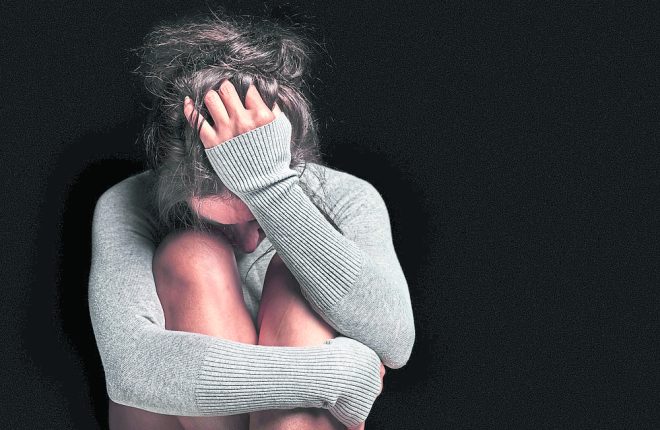
The survivor added: “Many of us are trying to survive on disability allowance or social welfare payments that barely cover rent and bills, leaving little or nothing for food, toiletries, or basic household essentials.
“This is a serious issue affecting vulnerable women and children across our communities, and we need help, before more lives are damaged.”
Another told us: “Myself and my children experienced domestic violence at a very intense level.
“My child was traumatised by the behaviour of his father in my home. I have a very long road ahead to heal from the experience.
“Women who try to escape can feel abandoned in the darkest and most worrying time of their lives due to lack of support services.
“They fight our legal system to keep their children and themselves safe with absolutely no-one to support them. It is horrendous.
“There are no courses to support my mental wellbeing and that of my children.”
Another survivor said: “Just thinking about what happened to me so that I can give my account actually resulted in me having nightmares about my experience.
“I am a woman in my 60s who endured both physical and mental abuse. I hid it from everyone despite losing all my friends and a lot of my family.
“When he couldn’t think of anything else to torture me with, he said our marriage was over and tried to get me to move out of the house.
“I had no money and no income of my own so I had to stay and endure the torture of him coming in drunk at all hours.
“I finally got up the courage to get a protection order – but he contested this order and I had to go home and share a house with him.
“Without essential support, I can honestly say I wouldn’t be here today.”
Women’s support worker Mirenda Rosenberg has helped domestic violence survivors in towns like Letterkenny.
She told the Donegal News: “My work with survivors was one of the most fulfilling and heartbreaking experiences of my professional career.
“There has been a significant increase in reported domestic violence incidents across Ireland.
“Domestic violence is life-threatening. When people cannot access support, their safety is at risk.”
Another support worker, Rebecca Timony, told the Donegal News: “One case that I worked on involved children who had been abused in a bathroom and then had an intense fear of bathrooms.
“I know of young mothers, who I had worked very closely with, returned to their abusers.
“I know of women who are at their wits end desperately scrambling for help. These people aren’t just numbers on a sheet.”
The Donegal News recently reported Garda statistics which revealed that some 1,400 calls were made within Donegal for domestic abuse last year.
Additionally, Garda figures showed there were 152 incidents relating to breaches of barring, safety, and protection orders in 2025 in the Donegal Division of An Garda Siochana.
A female survivor this week told the Donegal News the true figure is much higher.
She said: “The numbers of domestic violence only reflect the reported incidents, but there are so many that are not yet reported because the support is not there.
“The numbers also do not reflect the women lost to suicide or who have gone into psychiatric units due to the experiences they have had.
“Thank you so much for beginning to share my story and I hope this helps others to see that the story is not yet over.”
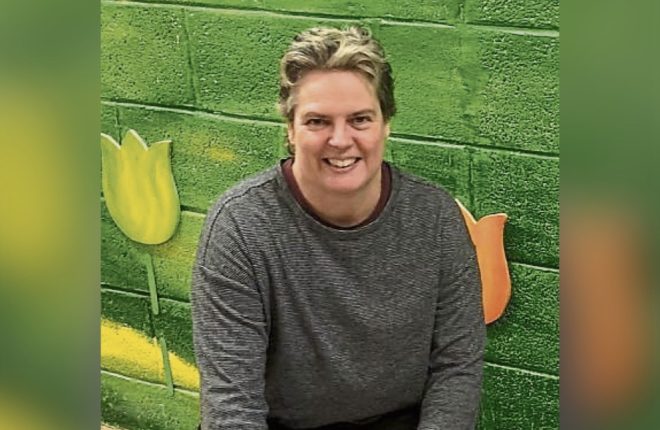
Independent domestic abuse expert Dr Marie Hainsworth said: “It is important to differentiate between noticing an increase in domestic abuse figures and seeing an increase in reporting figures.
“Domestic abuse articles can become overwhelming for people and it looks as if this is a spiralling issue with no possible way to address it.
“A lot of work has gone into making it safer for people to disclose their abuse and to be supported by family and friends to step forward.
“There are now so many women coming forward who are in their 50 and 60s citing violence across 20 to 30 years of marriage.
“Access to transport, childcare, and friendship are all vital elements in supporting recovery.
“Practical support such as financial assistance, housing, and legal advice have always been part of a domestic violence response.
“But these are often offered short-term and fail to acknowledge the long-term impact of prolonged legal battles, social work interventions, or the decreasing availability of affordable housing.
“The high level of suicide-related domestic abuse is also largely underreported due to lack of appropriate supports and a lack of risk assessment knowledge.”
Victims of coercive control are urged to contact any Garda station.
Donegal Uplift Project can be contacted via its theupliftproject.ie website and Donegal Domestic Violence Service can be reached through its donegaldomesticviolenceservices.ie site.