


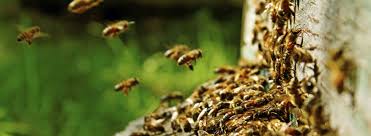


THE annual surge in aggressive wasps is frightening homes as the hungry insects buzz in search of food.
People across the county have reported late swarms of wasps – but pest control experts say it is perfectly normal.
However, they are also warning families to beware Asian hornets.
Households tend to shut doors and windows at this time of year because of the colder temperatures – but experts are advising this, and keeping a tight lid on bins, as a means of attracting wasps.
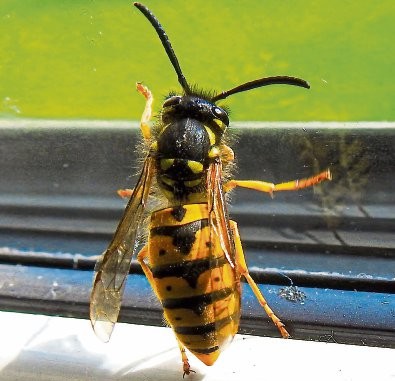
People across the county have reported late swarms of wasps – but pest control experts say it is perfectly normal.
Stephen Prout, who is managing director of specialist firm Catch A Pest, told the Donegal News: “It’s no surprise people in Letterkenny are seeing more wasps than they’d expect in November.
“Ireland has just had its hottest summer on record, followed by its second-warmest September, and October was the ninth month in a row with above-average temperatures.
“A long, warm season lets wasp colonies grow larger and keep going later in the year than usual.”
Experts explained that the aggressive end to wasps’ lifespans occurs at this time of year.
During the spring and summer, worker wasps gather protein, like caterpillars and flies, to feed their nest’s larvae.
Larvae secrete a sweet, sugary liquid that feeds the wasps.
But at this time of year, larval production ceases, and the sugar supply vanishes.
The wasps’ social structure breaks down, leaving them starving and desperate for sugar.
They go on a hunt for sugar in fruit, drinks, and bins in homes and this can result in direct conflict with humans, making them aggressive, and their stings hurt most.

Pest control expert Stephen Prout is managing director of specialist firm Catch A Pest.
WORKERS AND QUEENS
Stephen said: “The wasps people are seeing now are probably one of two kinds.
“Most are workers from nests that would normally have died off by now.
“The mild weather keeps them going, and as their colony winds down, they go looking for anything sugary.
“That is why they’re hanging around bins, drinks and food. The others are new queens, which are noticeably bigger.
“They’re looking for a sheltered spot to spend the winter, often a shed, attic, garage or even the folds of a curtain.”
He added: “The good news is it won’t last. Once we get a few proper frosts, the remaining workers will die off.
“And the queens will settle into hibernation until spring. With cooler weather forecast later this week, people should start to see fewer of them.”
MILD TEMPERATURES
Met Eireann recorded temperatures of around 9C for the middle part of this week but has crucially forecast a drop to 7C and below for the weekend.
Experts issued advice for the coming weeks, including do not swat as this “makes a sting more likely”.
Cover food and drinks outdoors and check cans and bottles before drinking from them.
Check sheds, attics and garages and seal gaps where queens could get in to hibernate.
Stephen said: “If you see a large hornet with a dark body and yellow legs, don’t approach it. It could be an Asian hornet, and sightings should be reported.”
Asian hornets are large wasps, aggressive predators, native to southeast Asia that have become a major invasive species in Europe and parts of Ireland after being accidentally introduced.
A single hornet can kill dozens of bees a minute.
He added: “Leave nests alone: Most will die off naturally once the frosts arrive.
“If a nest is somewhere busy, or someone in the house is allergic to stings, contact a local pest control professional rather than tackling it yourself.
“Get medical help straight away for any severe reaction to a sting, such as swelling of the face or difficulty breathing.”