


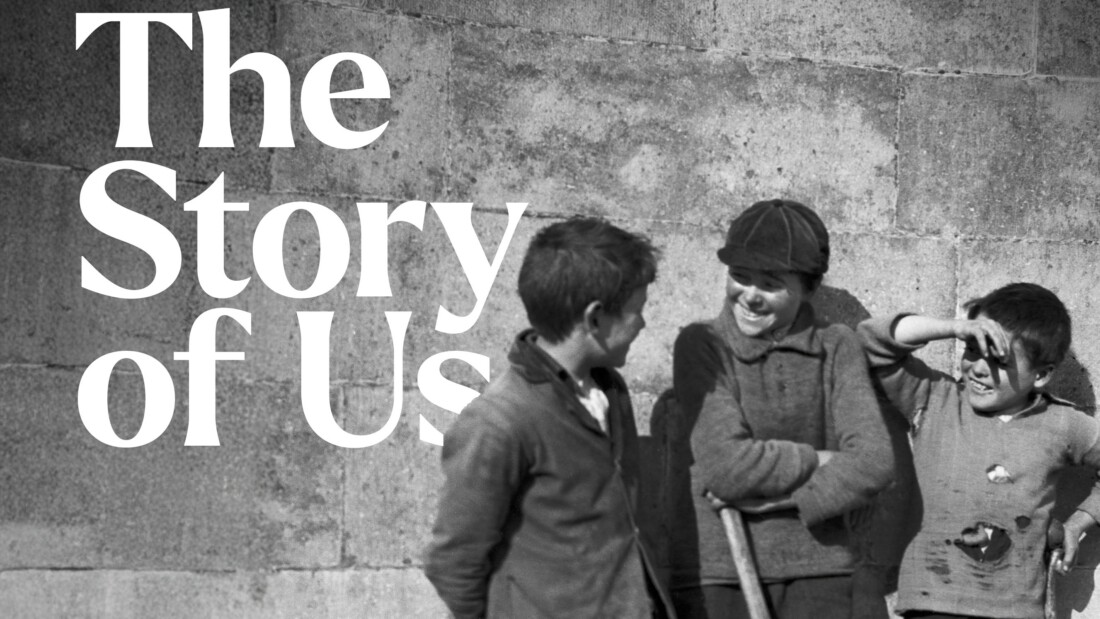


For those sitting at a laptop this week, typing in family names and messaging relatives to check details, the 1926 Census has quickly become a deeply personal experience.
Taken just a few years after the Civil War and in the early life of the Free State, the archive provides a rare picture of Ireland at a time of major transition. Yet for many, the most significant aspect has been the window it opens into the lives of their own relatives.
Across Donegal and far beyond it, what may have started as a quick search has often led to something more. It has got people talking about grandparents, great-aunts and extended family members, about households they knew of but did not fully understand, and about details they thought they had right until the census suggested otherwise. That’s what makes this release so fascinating. A familiar surname appears, a townland is confirmed while a household is larger or smaller than expected or someone long assumed to have been at home is not there at all, prompting fresh questions about where they were on census night.
I have already seen people asking others for help in identifying those listed on returns, or trying to establish who exactly a named person was. For some, it is confirmation of facts already known, but for other it will be a starting point, an incentive to dig deeper and find out more about their own family history and their place within it. The census shows that 152,508 people were living in 1926, a significant drop on the 168,537 recorded in 1911 and far below the county’s peak population of 296,448 in 1841. Those figures tell their own story about decline, economic pressure and the long shadow of emigration.
Another feature of life in Donegal that became common throughout the 20th century was the practice of hiring out children to live and work with other families. That often meant going to another house to work on a farm or in domestic service and living there as part of the arrangement. It was a well-known part of life at the time, and it was not always a positive experience. In some families, those stories have lasted because the person involved later spoke about how the period changed the course of their life.
What the census now does is place that grandparent or great-grandparent in a particular house and place at the point where that new path began. It turns something remembered into something recorded. That has added significance due to the fact that so many of those recorded in 1926 would go on to build lives elsewhere. The census captures a point before departures to England, Scotland, America, Canada and beyond in the decades that followed. For descendants of emigrants, including many with Donegal roots, that gives the archive significance well beyond Ireland itself. It allows them to place an ancestor within the detail of Irish life at a specific time; not just a name on a family tree, but a person among a wider family unit and it gives shape to family stories that may have been handed down only in fragments.
Director of the National Archives Orlaith McBride, who is from Ballybofey, put it well when she said that the release reminds us that the history of Ireland is found in the lived experiences of its people. That is exactly what many are responding to now. While the census provides statistics and historical context, it is the individual entries that draw people in and keep them there. Taken together, they build a fuller picture not just of Ireland, but of the communities and families that shaped it.
In Donegal, where so much history is tied up in who left and who stayed, that is particularly relevant. It’s been a huge task to bring a resource like this into the public domain and all those involved deserve praise and recognition. It has taken years of care to preserve the records and make them publicly accessible.
And while the census does not tell the full story of a person’s family history, it does give people something solid to work from. And for all of those researching since the weekend, that has been enough to start conversations, ask questions and bring the past a little closer.
The Fresh Take column, written by Sabrina Sweeney, features every Thursday in the Donegal News.